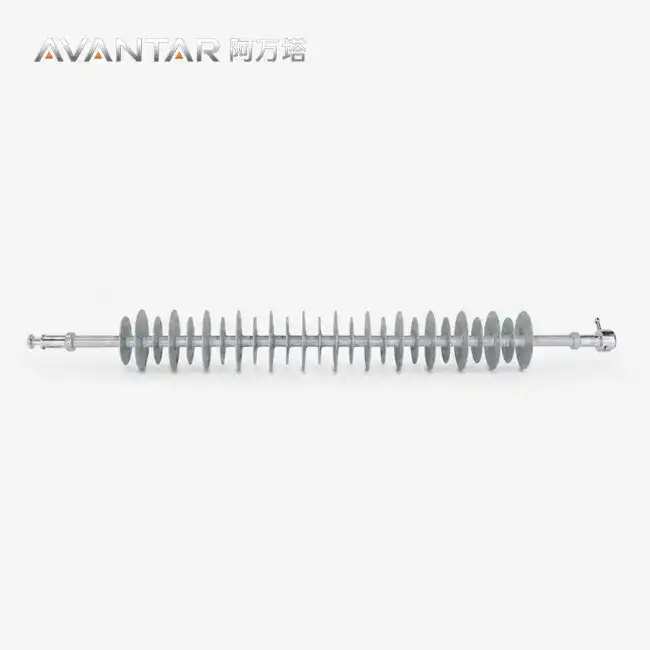
Composite Strain Insulator
2. Core: FRP epoxy rod.
3. Sheds: silicone rubber.
4. Mechanical strength options: 70 or 120 kN.
5. Listed voltage range: up to 220 kV, depending on model.
6.Lead Time: 7–10 working days
7.Customization: Flexible OEM/ODM options
Composite Strain Insulator for Overhead Lines | High-Tensile FRP Core, Up to 220 kV | Avantar
The Avantar Composite Strain Insulator is made to hold tension on power lines at dead-end and angle tower positions. Each unit is made with a high-strength FRP resin core rod, silicone rubber sheds that don't absorb water, and hot-dip galvanised steel end fittings that hold them together. The mechanical tensile strengths of these insulators are 70 kN and 120 kN, and they can handle voltages up to 220 kV. They are in line with IEC 61109 and ANSI C29.13. Avantar makes these products in Guangdong and sends them to more than 58 countries for use in transmission, distribution, and railway electrification projects.
How Composite Strain Insulators Differ from Porcelain
Traditional porcelain strain insulators are bulky and break easily, so they need to be handled carefully when being moved and set up. In a composite design, the ceramic body is swapped out for a fiberglass-reinforced polymer core. This core has the same or higher tensile strength while being much lighter, which makes logistics easier and lowers the need for cranes at height.
The silicone rubber sheds naturally don't let water stick to them, and they also don't let conductive surface films form on them. This trait is especially important near the coast, in industrial areas, or in places with a lot of salt fog, because porcelain surfaces are more likely to be affected by pollution flashovers.
When used outside for a long time, hot-dip galvanised end fittings keep the mechanical connection points from rusting. Before the products leave the plant, mechanical type testing is done to make sure that the crimped fitting-to-rod interface is correct.
Key Features
FRP epoxy core rod—This is what holds each insulator together. It can withstand loads of 70 kN and 120 kN, as required by IEC 61109 and ANSI C29.13. This means it can be used in most gearbox and distribution tension uses.
Silicone rubber that is injected into a mould forms a smooth, flexible shape around the core rod. In contrast to glass or china, the surface of silicone returns to being hydrophobic on its own after being polluted.
End fittings made of hot-dip galvanised steel that are crimped to the core rod and tested mechanically. Standard hardware used on corner towers, dead-end anchors and line terminal structures can be used with this fitting geometry without the need for adapters.
Typical Applications
The products are used across a range of overhead power infrastructure projects:
- Overhead line dead-end anchoring points on transmission and distribution networks
- Angle (corner) towers where the line changes direction and tensile loads are highest
- Railway electrification systems requiring lightweight, vibration-tolerant tension insulation
- Industrial power-supply lines in chemical, mining, and manufacturing facilities
- Renewable energy grid connections where new overhead line sections terminate at substation structures
These applications span voltage levels from distribution class up to 220 kV.
Technical Specifications
| Parameter | Value |
|---|---|
| Applicable Standard | IEC 61109 / ANSI C29.13 |
| Mechanical Tensile Strength | 70 kN / 120 kN |
| Rated Voltage | Up to 220 kV |
| Core Rod Material | FRP Epoxy Rod |
| Shed Material | Silicone Rubber |
| End Fitting Treatment | Hot-Dip Galvanized Steel |
| Creepage Distance | Customizable by pollution level |
| MOQ | 100 pieces per model |
| Production Lead Time | 15–30 working days after order confirmation |
| Quality Management | ISO 9001 |
Creepage distance is one of the most project-specific parameters. Coastal, industrially polluted, and high-humidity sites typically require extended creepage to maintain safe electrical clearance. Avantar's engineering team can assist with selection based on your local pollution level and IEC pollution classification.
Custom Configuration Options
Standard 70 kN and 120 kN ratings cover most project requirements. For applications that require non-standard configurations, Avantar supports OEM and ODM customization based on project drawings and technical specifications.
Customization options include:
- Tensile load rating — adjusted to match your tower design load data
- Creepage distance — extended for heavy-pollution or coastal zones
- End fitting configuration — matched to specific tower hardware or connector types
- Voltage rating — within the 220 kV ceiling
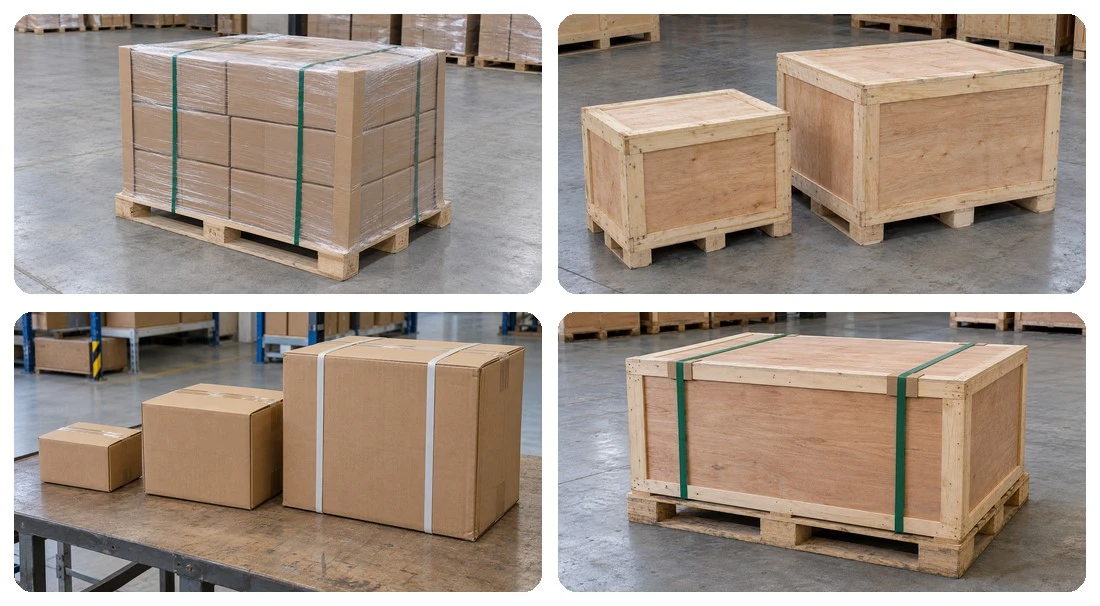
- Packaging format — wooden crates or transport pallets based on destination and logistics requirements
For large-scale EPC tender projects, pre-shipment video inspection and third-party witness inspection can be arranged. Sample units are available for independent tensile-load and high-voltage performance testing before bulk procurement.
How to Specify?
Selecting the right Composite Strain Insulator for your project requires confirming five parameters:
- Mechanical tensile strength — 70 kN or 120 kN based on your tower load calculation
- Rated working voltage — up to 220 kV
- Creepage distance — determined by local pollution level (light, medium, heavy, or very heavy per IEC classification)
- Applicable standard — IEC 61109 for international projects or ANSI C29.13 for North American specifications
- End fitting hardware type — confirm compatibility with your existing tower hardware
Sharing your tower tension-load data, operating voltage, and local environmental conditions allows Avantar's engineering team to confirm the right model or propose a custom configuration. Export documentation includes a certificate of origin and official type-test reports, supporting customs clearance and tender bid submissions. Quotations are available under EXW, FOB, and other standard trade terms.
Quality Assurance
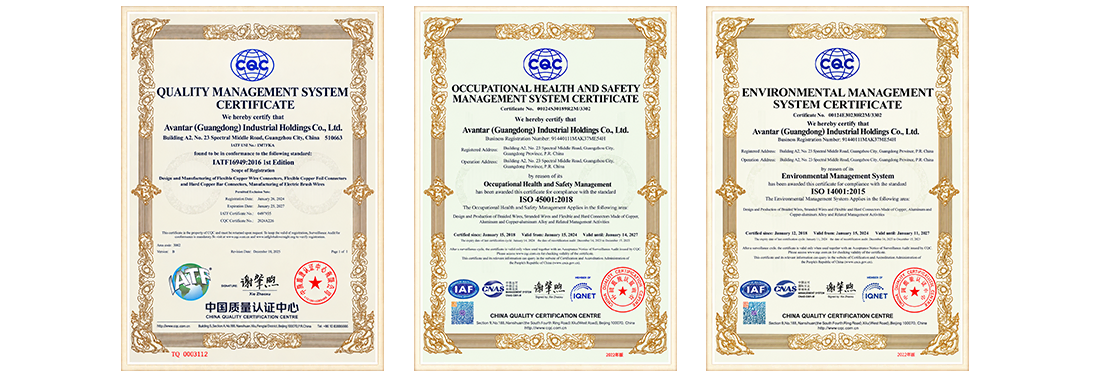
Each production batch goes through in-house mechanical and electrical type testing before shipment. Manufacturing is carried out at Avantar's Guangdong facility and covers FRP core rod processing, silicone rubber shed injection moulding, end-fitting crimping, and hot-dip galvanizing. Products conform to IEC 61109, ANSI C29.13, and ISO 9001.
For procurement validation, buyers can request:
- Trial samples for independent mechanical and electrical testing
- FRP core rod and silicone shed inspection records
- Finished-product photo or video inspection
- Third-party witness inspection for large tender-grade orders
FAQ
Q: What is a product, and how does it work in projects with overhead lines?
A: The goods are stress-resistant insulating parts that are used in the ends and angle towers of power transmission lines that are high in the air. They are made with a high-tensile epoxy core rod made of FRP that is covered with hydrophobic silicone rubber sheds and joined with hot-dip galvanised steel end fittings. This makes them strong enough to handle high tensile stresses and reliable at stopping pollution flashover. They are easier to move and set up in the field because they are lighter than porcelain strain separators.
Q: Does Avantar make things itself?
A: Yes. The Guangdong plant does everything itself, from processing FRP core rods to silicone rubber shed injection moulding, end-fitting crimping, hot-dip galvanising, and full mechanical-electrical type testing. For technical help with gearbox, railway and industrial power EPC projects, buyers can get in touch with the engineering team right away. IEC 61109, ANSI C29.13, and ISO 9001 all say that the products are good.
Q: What details should I make sure of when I place my order?
A: Five things to look at: 1. the breaking strength (70 kN or 120 kN) 2. rated voltage for use (up to 220 kV) 3. Creep distance (modified for pollution level in the area) 4. relevant standard (such as ANSI C29.13 or IEC 61109) 5. Setup of end-fitting parts In areas with a lot of pollution, like near the coast or factories, the creepage distance needs to be longer. You can give the technical team information about your tower load, operating voltage, and site conditions so they can help you choose the right model.
Q: What kinds of certifications are out there, and how can I make sure the quality is good before buying a lot of them?
A: We follow ISO 9001, IEC 61109, and ANSI C29.13. We give a proof of origin and real type-test reports with every export lot. Buyers can also get trial samples to make sure they want to buy, test them for tensile load and high voltage, look at inspection records for the FRP core rod and silicone shed, ask for a photo or video inspection of the finished product, or have a third party inspect large orders.
Q: What is the minimum order quantity (MOQ), the wait time, and the packing?
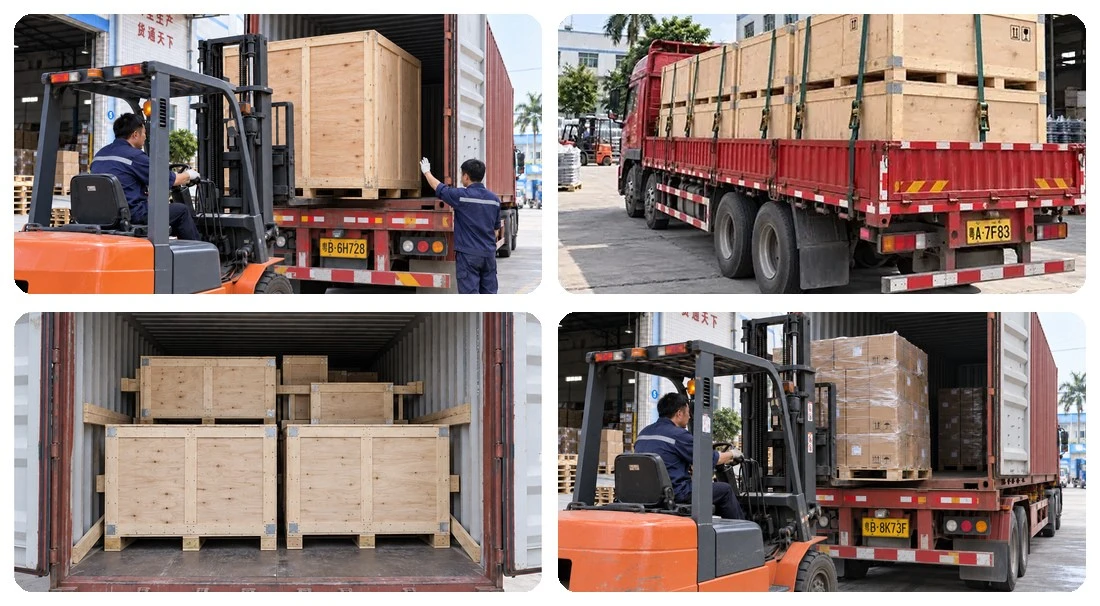
A: In general, the MOQ for each model is 100 pieces. After an order is confirmed, it takes 15 to 30 working days to make regular catalogue items. To keep them from breaking while they're being shipped, silicone rubber sheds and metal end fittings are put in wooden crates or transport pallets. It is possible to move goods by land or by sea. Certificates of origin and type-test reports can help with clearing customs and submitting bids.
Q: Can the creepage distance be changed for places with a lot of pollution?
A: Yes. Sites near the coast, in industrial areas, or in areas with a lot of salt fog usually need longer creepage distances. Just let us know how you classify the pollution level or describe the site, and the Avantar engineering team will help you choose the right creepage distance for your buy.
Contact Us
Send your Composite Strain Insulator project requirements to [email protected] for a technical response and quotation. Include voltage level, mechanical rating, and site conditions where possible.
Learn about our latest products and discounts through SMS or email