Composite Suspension Insulator
2. Core: fiberglass-reinforced epoxy (FRP).
3. Sheds: silicone rubber.
4. Listed voltage range: 15–500 kV, depending on model.
5. Listed mechanical strength range: 70–400 kN, depending on model.
6. Creepage distance: to project specification.
7.Lead Time: 7–10 working days
8.Customization: Flexible OEM/ODM options
Composite Suspension Insulator for High-Voltage Overhead Lines — FRP Core, Silicone Rubber Sheds, 15–500 kV
The Composite Suspension Insulator from Avantar is made for high-voltage transmission and distribution lines that are above ground and range in voltage from 15 kV to 500 kV. The fiberglass-reinforced epoxy (FRP) core rod has a mechanical strength of 70 kN to 400 kN, and the silicone rubber sheds keep the surface from sticking to water in coastal, industrial, and highly polluted outdoor settings. When compared to porcelain or glass, the smaller unit weight makes it easier to install and keep up over time. Under ISO 9001 quality management, products are made to meet ANSI C29.13 and IEC 61109 standards.
Key Product Features
The FRP core bar is what holds each insulator together. Because its mechanical strength ranges from 70 to 400 kN, it can handle tension loads. This means it can be used for both low-voltage networks and very high-voltage transmission lines.
The water doesn't stick to the silicone rubber sheds over time, so water doesn't spread out and form an electrical layer. This property lowers the risk of pollution flashover in service areas near the coast, factories, and areas with a lot of pollution. The land is still there even after surface dirt has built up.
The end pieces are made of steel that has been hot-dip galvanised and crimped under controlled pressure. This structure makes sure that the mechanical joints work well and that the outside doesn't rust even if no protection treatment is used when it is installed.
Applications
These insulators are used across a range of power infrastructure projects:
- High-voltage transmission lines (15 kV–500 kV overhead networks)
- Power distribution networks in urban and rural grid upgrades
- Substation string insulation where compact, lightweight components are preferred
- Railway electrification projects with specific weight and mechanical load requirements
- Renewable energy grid-connection lines, including wind and solar farm tie-in applications
The lower unit weight relative to porcelain is a practical advantage for remote-site or elevated installations where lifting equipment access is limited.
Technical Specifications
| Parameter | Value |
|---|---|
| Standard | ANSI C29.13 / IEC 61109 |
| Rated Voltage | 15 kV – 500 kV |
| Mechanical Strength | 70 kN – 400 kN |
| Core Material | Fiberglass-Reinforced Epoxy (FRP) |
| Shed Material | Silicone Rubber |
| End Fitting | Hot-Dip Galvanized Steel |
| Creepage Distance | Configured per pollution zone requirement |
| Production Lead Time | 15–30 working days |
| Minimum Order Quantity | 100 pieces per model |
Custom Design Options
Standard catalog models cover the most common voltage and mechanical load combinations. For projects with specific requirements, Avantar supports OEM and ODM customization.
Creepage distance can be specified based on your local pollution classification — an important consideration for coastal, heavy-industrial, and desert service environments. End-fitting configurations can be adapted to match your hardware standard or line design, including ball-and-socket and clevis types.
To start the customization process, share your line voltage, mechanical load data, pollution grade, applicable regional standard, and any relevant drawings. Our engineering team will review the parameters and recommend a suitable configuration before bulk production is confirmed.
How to Specify?
Ordering the correct Composite Suspension Insulator for your project requires confirming five parameters:
- Rated operating voltage — 15 kV to 500 kV based on your line voltage
- Mechanical strength — required load in kN within the 70–400 kN range
- Creepage distance — determined by the pollution level of your service area
- Applicable standard — ANSI C29.13 for North American projects, IEC 61109 for international markets
- End-fitting configuration — ball-and-socket or clevis type depending on your hardware system
Providing these five details allows our engineering team to confirm the correct model and issue a formal quotation without additional back-and-forth.
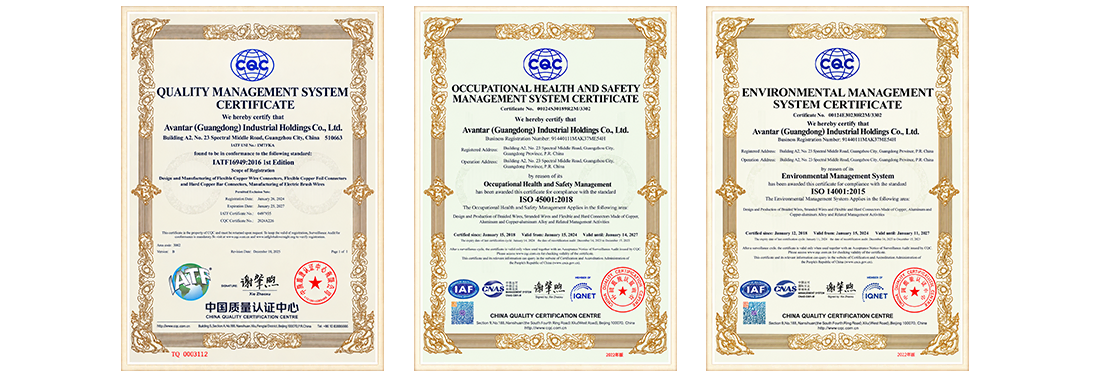
Quality Assurance & Certifications
The products are made according to IEC 61109 and ANSI C29.13 standards, and the output is managed according to ISO 9001 standards. Each export batch comes with an official type-test report and a certificate of origin to help with clearing customs and submitting bids.
Before you buy in bulk, you can make sure the quality by taking the following steps:
- Order trial samples for mechanical load and high-voltage performance testing
- Review material inspection records covering the FRP rod, silicone rubber sheds, and end fittings
- Request pre-shipment video inspection
- Arrange third-party witness inspection for large infrastructure tender projects
Our team supports all stages of this verification process and can coordinate documentation to match your procurement requirements.
Packaging & Delivery
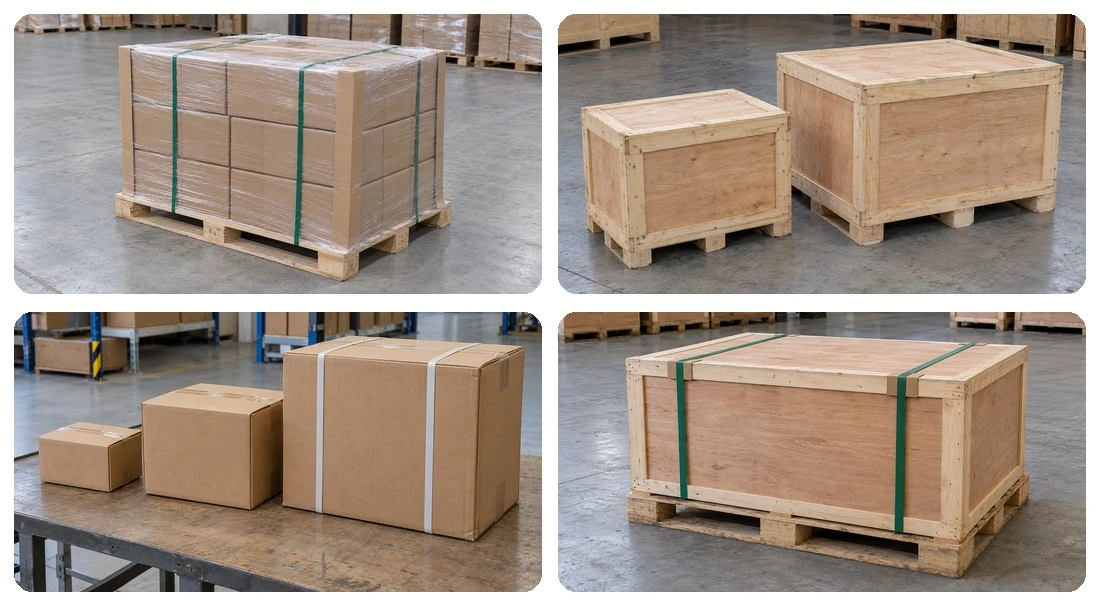
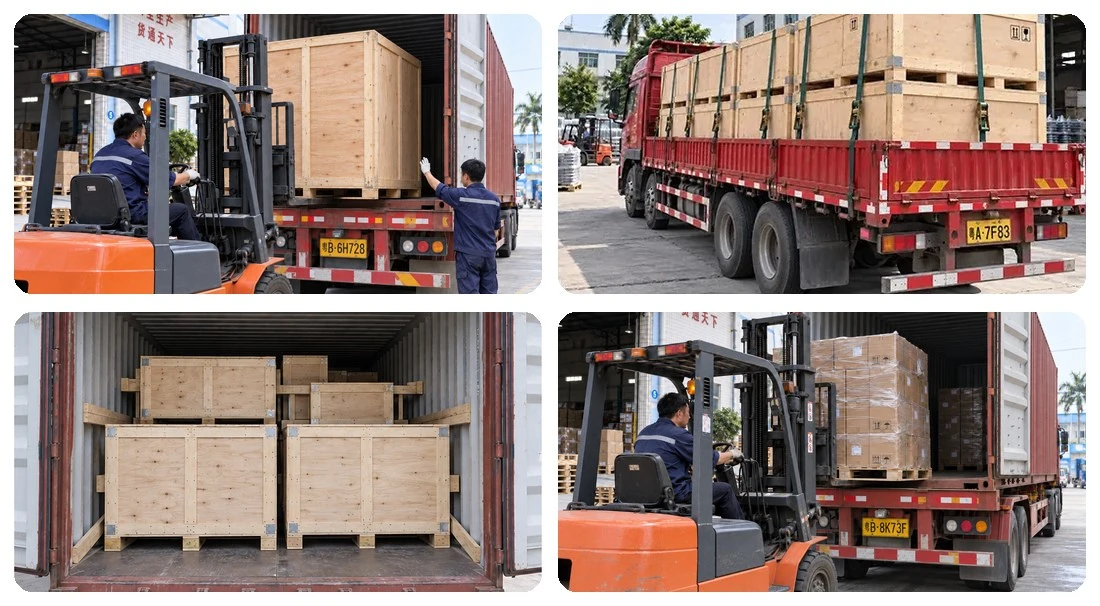
Finished insulators are packed in anti-collision wooden cases or on transport pallets to protect the silicone rubber sheds and metal end fittings during transit. Sea freight and land transport are both supported.
Standard products ship within 15–30 working days after order confirmation. Avantar's manufacturing base in Guangdong is near the ports of Shenzhen and Guangzhou, which supports efficient international freight scheduling. Quotations are available under EXW, FOB, and other standard trade terms depending on your logistics arrangement.
FAQ
Q: What is a product, and how is it different from glass or porcelain?
A: A product is a high-voltage overhead line part made of a FRP core rod, silicone rubber sheds and hot-dip galvanised steel end fittings. Silicone rubber has a surface that doesn't absorb water and is very resistant to pollution flashover. Composite insulators are lighter, easier to handle at height, and need less upkeep during service than ceramic or glass insulators.
Q: Does Avantar make things or do they just sell them?
A: Avantar is a direct manufacturer. Our Guangdong factory makes FRP core rods, injects silicone rubber sheds, crimps end fittings, hot-dip galvanises, and tests the mechanical and electrical types. When you source directly, you get rid of the middle markup and can get help from engineers with things like specs, customisation, and technical documentation.
Q: What details do I need to make sure of when I place my order?
A: Make sure you know the rated operating voltage (15–500 kV), the mechanical strength (70–400 kN), the required creepage distance, the standard that applies (ANSI C29.13 or IEC 61109), and the end-fitting configuration. Giving us these details up front lets our team quickly offer the right model and make a formal quote.
Q: What kinds of certifications come with each batch?
A: Each batch comes with an official type-test report and a certificate of origin. ANSI C29.13, IEC 61109, and ISO 9001 requirements are used to make the products. For clearing customs and putting in bids for building projects, these papers are good.
Q: What is the minimum order quantity (MOQ) and how long does it take to make the product?
A: As a general rule, the MOQ for each model is 100 pieces. Standard things take 15–30 working days to make after the order is confirmed. You can place sample orders to help with quality validation before you buy.
Q: How can I be sure of the quality before I buy a lot of something?
A: You can ask for test samples for mechanical load and high voltage, look at records of material inspection, ask for a video inspection before shipping, or set up a third-party witness inspection for large tender projects. You can choose any of these choices. Get in touch with us to talk about which one works best for your procurement timeline.
Contact Us
Share your project requirements for Composite Suspension Insulator with us at [email protected]. Include your line voltage, mechanical load, pollution grade, and applicable standard for a prompt, accurate quotation.
Learn about our latest products and discounts through SMS or email