HD20 Long-Life Methanol Engine Oil: TBN 8.5, 0.6% Sulfated Ash and 0W-20 Viscosity Explained
HD20 Long-Life Methanol Engine Oil: TBN 8.5, 0.6% Sulfated Ash and 0W-20 Viscosity Explained
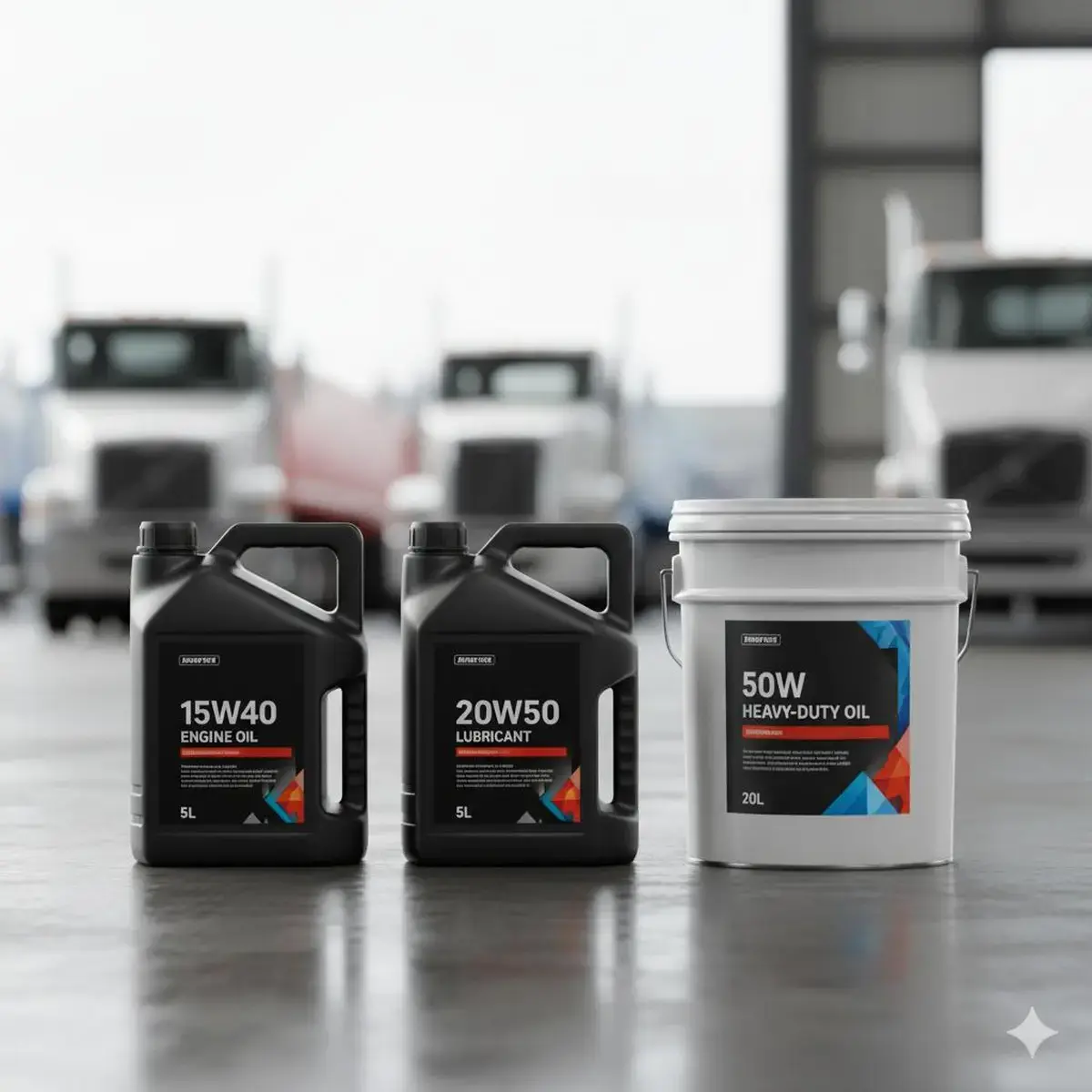

Methanol-fueled engines present different lubrication challenges from conventional gasoline and diesel engines. Fuel dilution, water contamination, acidic combustion by-products and changing operating conditions can all affect engine oil performance.
For engine manufacturers, lubricant distributors and fleet operators, selecting the right engine oil requires more than checking its viscosity grade. Total Base Number (TBN), sulfated ash content and high-temperature viscosity are also important considerations.
HD20 Long-Life Methanol Engine Oil is formulated for methanol-fueled engine applications, with three key specification values highlighted in its product data:
-
TBN: 8.5 mg KOH/g
-
Sulfated Ash: 0.6% by mass
-
SAE Viscosity Grade: 0W-20
What do these numbers mean, and why do they matter for methanol engine lubrication?
This guide explains the technical significance of each parameter, the challenges of methanol engine operation and the factors buyers should consider when sourcing specialized methanol engine oil.
Quick Answer: What Makes HD20 Methanol Engine Oil Different?
HD20 is positioned as a long-life engine lubricant for methanol-fueled engine applications.
Its main specification characteristics are:
| Parameter | HD20 Product Data | Technical Significance |
|---|---|---|
| SAE Viscosity Grade | 0W-20 | Defines low-temperature and high-temperature viscosity classification |
| TBN | 8.5 mg KOH/g | Indicates the oil's alkaline reserve |
| Sulfated Ash | 0.6% | Indicates the mass of sulfated ash produced during the specified test |
| Kinematic Viscosity at 100°C | 8.74 mm²/s | Measures resistance to flow at 100°C |
| Viscosity Index | 203 | Indicates viscosity change with temperature |
| HTHS Viscosity at 150°C | 2.68 mPa·s | Measures viscosity under high-temperature, high-shear conditions |
| Flash Point | 220°C | A measured characteristic relevant to handling and thermal assessment |
| Pour Point | -54°C | Indicates the lowest temperature at which movement of the oil is observed under the specified test |
These figures describe different aspects of lubricant performance. No single value can independently establish engine compatibility, extended drain intervals or fuel economy.
The final selection should always be based on the complete technical data sheet, laboratory test results and engine manufacturer's requirements.
1. Why Do Methanol Engines Need Specialized Lubrication?
Methanol is chemically different from conventional petroleum fuels. Its properties can influence combustion, crankcase contamination and lubricant degradation.
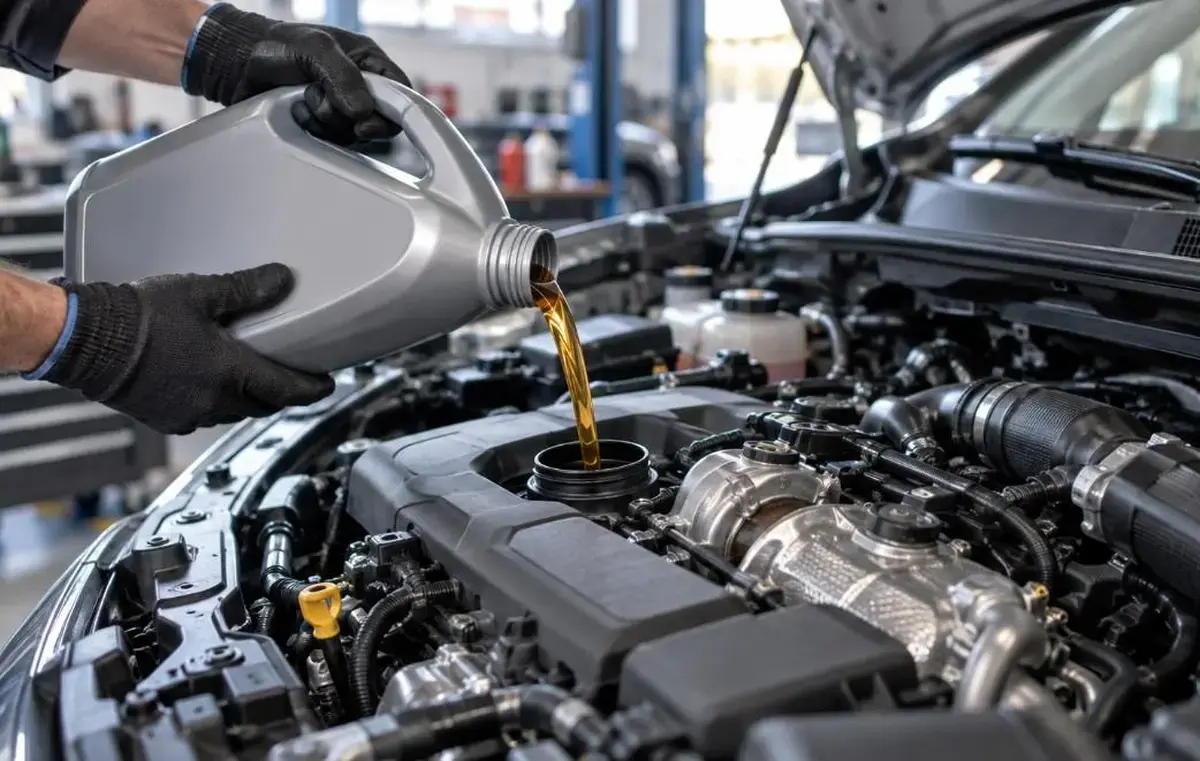
Methanol, Water and Fuel Dilution
Methanol contains oxygen in its molecular structure and has different combustion and evaporation characteristics from gasoline.
During engine operation, some unburned fuel and combustion by-products may pass the piston rings and enter the crankcase. This process is commonly known as blow-by.
Depending on engine design, temperature and operating conditions, the lubricant may be exposed to:
-
Unburned methanol
-
Water contamination
-
Fuel dilution
-
Oxidation by-products
-
Acidic combustion-related contaminants
Water accumulation and fuel dilution can affect lubricant viscosity, additive performance and the formation of deposits.
Acid Formation and Lubricant Degradation
Formic acid and other acidic contaminants are important considerations in methanol engine lubrication.
Research on methanol-fueled engines has identified relationships between methanol-related contamination, reduced TBN, increased wear and lubricant degradation.
These effects make alkaline reserve, corrosion protection and oil condition monitoring important considerations when selecting lubricants for methanol applications.
However, the actual contamination level varies with engine design, fuel quality, combustion conditions and operating temperature.
2. What Does TBN 8.5 Mean for Methanol Engine Oil?
TBN stands for Total Base Number.
It is a measurement of the alkaline reserve in engine oil, expressed in milligrams of potassium hydroxide equivalent per gram of oil (mg KOH/g).
The alkaline reserve helps neutralize acidic substances that may enter or form within the lubricant during engine operation.
Why Is TBN Important?
As engine oil operates, acidic contaminants and oxidation products can consume some of its alkaline reserve.
When the TBN decreases, the oil may have less capacity to neutralize additional acidic contaminants.
For methanol engines, this is particularly relevant because the lubricant may be exposed to fuel dilution, water and acidic combustion-related products.
HD20 TBN: 8.5 mg KOH/g
The HD20 product specification provided for this article lists a TBN of:
8.5 mg KOH/g
This value represents the stated initial alkaline reserve of the product.
A TBN value should not be interpreted in isolation. Its practical significance depends on the oil formulation, engine design, fuel composition, operating conditions and used-oil analysis results.
How Is TBN Measured?
ASTM D2896 is a commonly used method for determining the base number of petroleum products through potentiometric titration.
For buyers evaluating methanol engine oil, the following documents are useful:
-
New-oil TBN test results
-
Batch-specific quality reports
-
Used-oil analysis records
-
Test method references
-
Recommended oil monitoring procedures
TBN depletion limits should be established through validated testing and engine-specific maintenance requirements rather than relying on a universal percentage.
3. What Does 0.6% Sulfated Ash Mean?
Sulfated ash is an important specification for engine lubricants because it provides an indication of the inorganic residue associated with certain metal-containing additives.
These additives may include calcium, magnesium and zinc compounds, which can contribute to detergency, alkalinity and anti-wear performance.
How Is Sulfated Ash Measured?
ASTM D874 is the standard test method for determining sulfated ash in unused lubricating oils and additive concentrates.
The test involves controlled ignition and treatment with sulfuric acid, followed by measurement of the resulting residue.
The result is normally expressed as a percentage by mass.
HD20 Sulfated Ash: 0.6%
The product data provided for HD20 lists sulfated ash at:
0.6% by mass
This is a relevant formulation characteristic when evaluating the balance between additive chemistry, detergency and inorganic residue.
Lower sulfated ash does not automatically mean better engine cleanliness. An engine lubricant still needs an appropriate additive system to control oxidation, wear, deposits and contaminants.
The actual performance must be established through suitable laboratory and engine testing.
Why Does Sulfated Ash Matter in Direct-Injection Engines?
Direct-injection engines introduce fuel directly into the combustion chamber.
Depending on the engine design and operating conditions, lubricant-derived deposits can affect components such as piston crowns, combustion chamber surfaces and injector areas.
The formulation of the lubricant is therefore an important consideration.
However, sulfated ash alone cannot predict injector cleanliness, pre-ignition risk or engine deposit formation.
These characteristics require appropriate engine testing and inspection.
4. Why Is SAE 0W-20 Viscosity Important?
SAE 0W-20 is a multigrade engine oil viscosity classification established by SAE International under SAE J300.
The classification describes the oil's rheological properties at specified low and high temperatures. It does not independently establish overall engine performance or approval.
Understanding the 0W-20 Grade
The designation has two parts.
0W – Low-temperature performance
The W stands for Winter.
The 0W classification includes specified cold-cranking and low-temperature pumping viscosity requirements.
Under SAE J300, 0W oils are evaluated using:
-
Cold Cranking Simulator (CCS) testing at -35°C
-
Mini-Rotary Viscometer (MRV) testing at -40°C
These tests help evaluate the lubricant's low-temperature behavior.
20 – High-temperature viscosity
The second number describes the oil's viscosity classification at higher operating temperatures.
For SAE 20, the kinematic viscosity at 100°C is within the specified SAE J300 range.
HD20's stated kinematic viscosity is:
8.74 mm²/s at 100°C
This falls within the SAE 20 kinematic viscosity range.
Its stated HTHS viscosity is:
2.68 mPa·s at 150°C
HTHS measures viscosity under high-temperature and high-shear conditions, providing information relevant to lubricant film behavior in heavily loaded engine components.
The full SAE 0W-20 classification should be confirmed through the relevant CCS and MRV test results, together with the other applicable J300 requirements.
Why Does Viscosity Matter in Methanol Engines?
Methanol engine operating conditions may involve cold starts, fuel dilution and varying thermal loads.
Lubricant viscosity affects:
-
Oil circulation
-
Lubricant film formation
-
Bearing protection
-
Frictional behavior
-
Engine operation under different temperatures
A suitable viscosity grade must meet the requirements of the specific engine.
A 0W-20 lubricant should not be used in an engine simply because it offers low-temperature viscosity characteristics. Buyers must verify the engine manufacturer's minimum viscosity and HTHS requirements.
5. HD20 Technical Specifications at a Glance
The following table summarizes the product specifications supplied for HD20 Long-Life Methanol Engine Oil.
| Technical Parameter | Stated HD20 Value |
|---|---|
| Product Name | HD20 Long-Life Methanol Engine Oil |
| SAE Viscosity Grade | 0W-20 |
| Kinematic Viscosity at 100°C | 8.74 mm²/s |
| Viscosity Index | 203 |
| HTHS Viscosity at 150°C | 2.68 mPa·s |
| Total Base Number | 8.5 mg KOH/g |
| Sulfated Ash | 0.6% by mass |
| Flash Point (Open Cup) | 220°C |
| Pour Point | -54°C |
Note: These are the product values supplied for this article. Buyers should request the latest technical data sheet and batch-specific certificate of analysis (COA) to verify the applicable specification limits and test results.
6. HD20 vs. Conventional Gasoline Engine Oil
Methanol-fueled engines and conventional gasoline engines operate with different fuel characteristics.
This does not mean that every gasoline engine oil is unsuitable for every methanol application. Compatibility depends on the engine manufacturer's requirements and the lubricant's tested performance.
However, methanol operation can introduce additional considerations for lubricant selection.
| Evaluation Factor | Methanol Engine Applications | Conventional Gasoline Applications |
|---|---|---|
| Fuel-related contamination | Methanol dilution may occur | Gasoline dilution may occur |
| Water contamination | Important consideration | Also possible |
| Acid-related degradation | Methanol-related acidic contaminants may be relevant | Different combustion contamination profile |
| TBN management | Requires application-specific monitoring | Depends on engine and lubricant specification |
| Viscosity selection | Must match methanol engine requirements | Must match gasoline engine requirements |
| Oil change interval | Requires validated maintenance data | Follows applicable OEM recommendations |
For methanol engine operators, choosing a lubricant based on application-specific testing and technical compatibility is more appropriate than relying solely on a conventional gasoline oil classification.
7. How Does HD20 Address Methanol Engine Lubrication Challenges?
The HD20 product concept focuses on three important aspects of methanol engine lubrication.
Alkaline Reserve
The stated TBN of 8.5 mg KOH/g is an important formulation parameter.
It provides information about the oil's alkaline reserve and helps buyers evaluate its potential suitability for methanol-related acidic contamination.
Actual TBN retention must be verified through used-oil analysis.
Sulfated Ash Management
The stated sulfated ash content of 0.6% by mass provides a reference for evaluating the lubricant's metal-containing additive residue.
This parameter should be considered alongside detergency, anti-wear performance and engine deposit test results.
Viscosity Characteristics
The 0W-20 viscosity grade, together with the stated kinematic viscosity, viscosity index and HTHS value, provides useful information for technical compatibility assessments.
The complete viscosity classification and engine suitability should be confirmed using the relevant test reports and OEM requirements.
Together, these three specification areas provide a useful starting point for evaluating a methanol engine lubricant.
8. Which Methanol Engine Applications Should Buyers Consider?
Methanol is being investigated and adopted in several engine and power-generation applications.
Different engine configurations create different lubrication requirements.
Direct-Injection Methanol Engines
Direct-injection engines deliver fuel directly into the combustion chamber.
Fuel impingement, operating temperature and combustion conditions may influence lubricant contamination and deposit formation.
TBN retention, wear protection and deposit-control performance should therefore be included in lubricant evaluations.
Port-Injection Methanol Engines
Port-injection engines introduce fuel into the intake port before it enters the combustion chamber.
Their fuel distribution and operating characteristics differ from direct-injection systems.
Lubricant selection should still account for possible fuel dilution, water contamination and engine-specific requirements.
Methanol Hybrid Systems
Hybrid vehicles may use engines with frequent starting and stopping cycles.
These operating patterns can influence oil temperature, moisture accumulation and fuel dilution.
Used-oil analysis is particularly useful when assessing lubricant condition under repeated short operating cycles.
Range-Extended Electric Vehicles
Range-extended vehicles use an engine-driven generator to supply electrical power or support battery charging.
Their engines may operate at relatively stable speeds but under varying load conditions.
The correct lubricant depends on the generator engine's design, duty cycle and manufacturer's specification.
HD20 should be evaluated for these applications only after technical compatibility has been confirmed.
9. How Should Buyers Evaluate Methanol Engine Oil?
For engine OEMs, lubricant distributors and fleet operators, technical documentation is an essential part of the purchasing process.
Before selecting HD20 or another methanol engine lubricant, buyers should review the following:
Technical Data Sheet (TDS)
Request a complete TDS showing:
-
SAE viscosity grade
-
Kinematic viscosity at 40°C and 100°C
-
Viscosity index
-
HTHS viscosity
-
TBN
-
Sulfated ash
-
Flash point
-
Pour point
-
Applicable test methods
Safety Data Sheet (SDS)
The SDS provides information about product composition hazards, safe handling, storage, transportation and emergency procedures.
The required language and format depend on the destination market.
Certificate of Analysis (COA)
A batch-specific COA helps verify the quality characteristics of the actual product supplied.
Relevant parameters may include viscosity, TBN and sulfated ash.
Engine Compatibility
Buyers should provide the supplier with:
-
Engine manufacturer and model
-
Direct-injection or port-injection configuration
-
Fuel type and methanol concentration
-
Required viscosity grade
-
Operating temperature
-
Expected operating hours or mileage
-
OEM lubricant specifications
These details help determine whether the proposed lubricant requires further testing or approval before use.
10. What Should Distributors Consider When Sourcing HD20?
For lubricant distributors, importers and OEM customers, sourcing involves more than selecting a product specification.
Important commercial considerations include:
Packaging requirements
Confirm the available packaging formats, including pails and industrial drums, according to actual production availability.
Technical documentation
Request the TDS, SDS and applicable batch-specific test reports before placing a commercial order.
Quality management
Ask about formulation control, batch consistency, quality inspections and the manufacturer's quality management arrangements. Request relevant certification documents when applicable.
OEM and private-label services
Distributors may wish to develop their own lubricant brands through customized labeling and packaging.
Before confirming an OEM or private-label order, discuss branding requirements, packaging specifications, minimum order quantities and artwork approval.
Supply arrangements
Confirm production lead times, shipping arrangements, order quantities and destination-market documentation before finalizing a purchase.
Frequently Asked Questions
1. What is HD20 Long-Life Methanol Engine Oil?
HD20 is a methanol engine lubricant product with a stated SAE 0W-20 viscosity grade. Its supplied product specifications include TBN 8.5 mg KOH/g and sulfated ash of 0.6% by mass.
2. What does TBN 8.5 mean in engine oil?
TBN 8.5 mg KOH/g indicates the measured alkaline reserve of the lubricant. It provides information about the oil's capacity to neutralize acidic contaminants, although actual service performance depends on engine conditions and used-oil analysis.
3. Why is sulfated ash important in methanol engine oil?
Sulfated ash indicates the inorganic residue measured through a specified laboratory test. It is relevant when evaluating metal-containing additive chemistry and potential ash-related deposits. It should be considered together with detergency and engine test results.
4. What does SAE 0W-20 mean?
SAE 0W-20 is a multigrade engine oil viscosity classification. The 0W designation relates to specified low-temperature cranking and pumping requirements, while 20 defines the high-temperature viscosity range.
5. Is HD20 suitable for all methanol engines?
Not automatically. Compatibility depends on the engine design, fuel composition, operating conditions and manufacturer requirements. Buyers should obtain the technical data sheet and confirm compatibility before use.
6. Can conventional gasoline engine oil be used in a methanol engine?
Some conventional engine oils may not have been evaluated for the contamination and operating conditions associated with methanol fuel. Engine operators should follow the engine manufacturer's lubricant requirements and use products with appropriate supporting performance evidence.
7. How often should methanol engine oil be changed?
There is no universal oil change interval for all methanol engines. Drain intervals depend on engine design, operating conditions, lubricant condition and manufacturer recommendations. Used-oil analysis can help establish an appropriate maintenance schedule.
8. What documents should buyers request when sourcing HD20?
Buyers should request a current technical data sheet, safety data sheet and batch-specific certificate of analysis. Additional test reports and OEM compatibility information should be requested according to the intended application.
9. Does AVANTARGROUP support OEM and private-label lubricant orders?
AVANTARGROUP can discuss OEM and private-label requirements with interested business partners. Packaging, branding, specifications and minimum order quantities should be confirmed with the sales team.
Conclusion: Understanding the Numbers Behind Methanol Engine Oil
Selecting engine oil for methanol-fueled engines requires attention to more than viscosity alone.
TBN provides information about alkaline reserve, sulfated ash helps characterize inorganic additive residue, and SAE viscosity classification describes the lubricant's rheological properties under specified conditions.
For HD20 Long-Life Methanol Engine Oil, the supplied product data highlights three key specifications:
-
TBN 8.5 mg KOH/g
-
Sulfated Ash 0.6% by mass
-
SAE 0W-20
These values provide a technical starting point for evaluating the product. Actual suitability and service performance must be confirmed through complete laboratory documentation, relevant engine testing and compatibility with the engine manufacturer's requirements.
For engine OEMs, lubricant distributors, importers and fleet operators interested in methanol engine lubrication solutions, AVANTARGROUP welcomes technical and commercial inquiries.
Contact AVANTARGROUP
Email: [email protected]
Website: https://www.avantargroup.com/
References
-
SAE International. SAE J300 – Engine Oil Viscosity Classification.
https://saemobilus.sae.org/standards/j300_202405-engine-oil-viscosity-classification -
ASTM International. ASTM D2896 – Standard Test Method for Base Number of Petroleum Products by Potentiometric Perchloric Acid Titration.
https://store.astm.org/d2896-21.html -
ASTM International. ASTM D874 – Standard Test Method for Sulfated Ash from Lubricating Oils and Additives.
https://store.astm.org/standards/d874 -
Hanli, X., Qingjun, L. and Xichu, W. (1993). Studies of Lubricating Oil for M85 Methanol-Fuelled Engines. SAE Technical Paper 932841.
https://saemobilus.sae.org/papers/studies-lubricating-oil-m85-methanol-fuelled-engines-932841 -
Ichimiya, T., Takahashi, K. and Fuwa, Y. (1985). Wear Mechanisms of Methanol Fueled Engine. Technical Paper 852199.
-
Shukla, D. S., Gondal, A. K. and Nautiyal, P. C. (1992). Effect of Methanol Fuel Contaminants in Crankcase Oils on Wear. Wear, 157(2), 371–380.
https://doi.org/10.1016/0043-1648(92)90073-H
About AVANTAR GROUP
AVANTAR (Guangdong) Industrial Holdings Co., Ltd. supplies industrial products and technical solutions to international business partners.
The company works with distributors, importers and OEM customers to explore product supply, customized packaging and private-label cooperation.
For HD20 Long-Life Methanol Engine Oil inquiries, product specifications and commercial cooperation:
Email: [email protected]
Website: https://www.avantargroup.com/
Learn about our latest products and discounts through SMS or email