HD20 Methanol Engine Oil for Hybrid and Range-Extended Vehicles: Duty Cycles and Drain Intervals
HD20 Methanol Engine Oil for Hybrid and Range-Extended Vehicles: Duty Cycles and Drain Intervals
Hybrid and range-extended electric vehicles introduce different operating conditions for internal combustion engines. Frequent engine starts, short operating periods, changing loads and incomplete warm-up cycles can influence engine oil condition over time.
For methanol-fueled engines, lubricant selection requires additional attention to fuel dilution, water contamination, oxidation and alkaline reserve.
HD20 Long-Life Methanol Engine Oil is developed for methanol engine applications, with a stated SAE 0W-20 viscosity grade, TBN of 8.5 mg KOH/g and sulfated ash content of 0.6% by mass.
But how do hybrid and range-extended vehicle operating patterns affect engine oil performance? Should oil changes be determined by mileage, engine operating hours or calendar time?
This guide explains the relationship between methanol engine lubrication, vehicle duty cycles and oil drain interval management, helping engine manufacturers, vehicle integrators and fleet operators make more informed lubricant decisions.
Quick Answer: How Do Duty Cycles Affect Methanol Engine Oil Drain Intervals?
Hybrid and range-extended vehicles may operate their combustion engines intermittently rather than continuously.
This can result in different oil operating conditions, including:
-
More frequent engine starts and stops.
-
Shorter engine operating periods.
-
Greater variation in oil temperature.
-
Potential fuel dilution during cold operation.
-
Possible moisture accumulation during incomplete warm-up cycles.
For these applications, mileage alone may not provide a complete picture of lubricant condition.
Engine operating hours, start-stop frequency, oil temperature, fuel dilution and used-oil analysis should also be considered.
The appropriate drain interval depends on the engine manufacturer's recommendations, lubricant specifications and actual operating conditions.
1. What Is HD20 Methanol Engine Oil and Why Is It Different?
Methanol-fueled engines have different fuel characteristics from conventional gasoline and diesel engines.
Methanol contains approximately 50% oxygen by mass and has different combustion and evaporation properties from conventional petroleum fuels.
These differences can influence engine lubrication, particularly under repeated cold starts and short operating cycles.
Understanding Methanol Engine Lubrication
During engine operation, some unburned fuel and combustion by-products may enter the crankcase through blow-by.
Depending on engine design and operating conditions, lubricant contamination may include:
-
Unburned methanol.
-
Water from combustion and condensation.
-
Fuel dilution.
-
Oxidation products.
-
Acidic contaminants.
These substances may affect lubricant viscosity, additive performance and engine cleanliness.
For hybrid and range-extended vehicles, understanding these contamination mechanisms is particularly important because the engine may not always reach a sufficiently stable operating temperature.
HD20 Product Characteristics
HD20 Long-Life Methanol Engine Oil is positioned for methanol-fueled engine applications.
Its supplied product data highlights three key specifications:
| Parameter | HD20 Specification |
|---|---|
| SAE Viscosity Grade | 0W-20 |
| Total Base Number (TBN) | 8.5 mg KOH/g |
| Sulfated Ash | 0.6% by mass |
| Kinematic Viscosity at 100°C | 8.74 mm²/s |
| Viscosity Index | 203 |
| HTHS Viscosity at 150°C | 2.68 mPa·s |
| Flash Point | 220°C |
| Pour Point | -54°C |
These figures are product data supplied for HD20. Buyers should request the current technical data sheet and relevant test reports before evaluating suitability for a specific engine.
2. How Does Methanol Fuel Affect Engine Oil Performance?
Three important considerations when evaluating methanol engine lubricants are fuel dilution, water contamination and acidic combustion-related contaminants.
Fuel Dilution
Fuel dilution occurs when unburned fuel enters the engine lubricant.
In methanol-fueled engines, repeated cold starts and incomplete combustion may increase the possibility of fuel entering the crankcase.
Excessive fuel dilution can:
-
Reduce lubricant viscosity.
-
Affect oil film strength.
-
Influence flash point.
-
Change lubricant additive performance.
The actual level depends on fuel injection, engine temperature, combustion efficiency and operating conditions.
Water Contamination
Water can enter the crankcase through combustion-related blow-by, condensation and other operating mechanisms.
Methanol is also hygroscopic, meaning it can absorb moisture during storage and handling.
Excessive water contamination may contribute to corrosion, lubricant degradation and changes in oil stability.
For this reason, water measurement should be considered when evaluating lubricant condition in methanol engine applications.
Acidic Contaminants
Combustion-related contaminants may contribute to acidic conditions in the lubricant.
The alkaline reserve of engine oil helps neutralize acidic substances.
TBN is therefore an important parameter when assessing the condition of methanol engine oil.
However, TBN alone cannot determine the remaining service life of a lubricant.
3. How Do Hybrid and Range-Extended Vehicles Affect Engine Oil Duty Cycles?
The operating pattern of a hybrid vehicle differs from that of a conventional vehicle.
In a conventional vehicle, the engine generally operates throughout most driving activities.
In a hybrid or range-extended vehicle, the combustion engine may operate intermittently depending on battery charge, vehicle speed, power demand and control-system strategy.
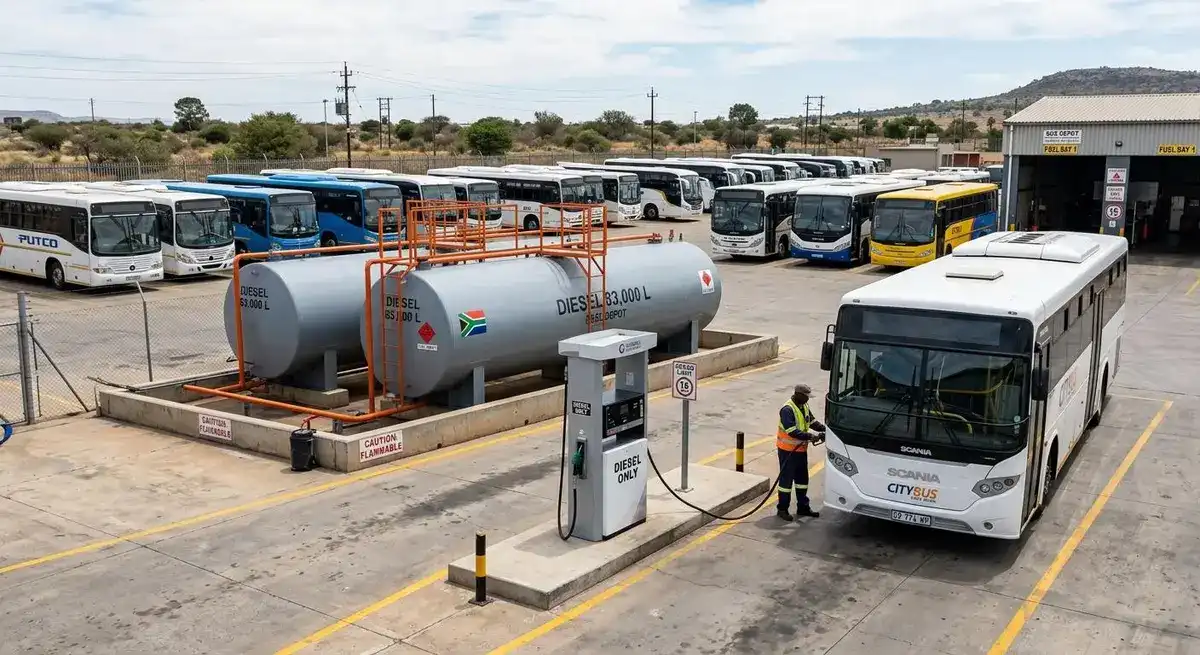

<text color="secondary" size="xs">[INSERT IMAGE 1 HERE — Commercial vehicle fleet operating environment]</text>
Understanding Hybrid Vehicle Operating Patterns
A full hybrid vehicle may switch its combustion engine on and off depending on driving conditions.
For example:
-
The engine may operate during acceleration.
-
The engine may stop when the vehicle is running electrically.
-
Short engine operating periods may occur during urban driving.
-
Engine temperature may fluctuate throughout the journey.
These conditions can influence oil temperature and the time available for moisture evaporation.
Understanding Range-Extended Electric Vehicles
A range-extended electric vehicle (REEV) uses an onboard combustion engine to generate electrical power or support battery operation.
The engine may operate at different loads and for different durations depending on energy demand.
For lubricant management, it is important to distinguish between:
-
Vehicle mileage.
-
Engine operating hours.
-
Engine start-stop frequency.
-
Average operating temperature.
-
Load distribution.
For this reason, engine hours can be a useful additional maintenance indicator for range-extended vehicles.
4. Why Do Frequent Engine Starts and Stops Matter?
Repeated engine starts and stops can create different lubrication conditions compared with continuous operation.
Cold-Start Conditions
During a cold start, engine oil needs to circulate through the lubrication system.
Fuel enrichment and incomplete warm-up may also increase the possibility of fuel dilution and moisture accumulation.
Short Operating Periods
When an engine operates for only a short period, the lubricant may not reach a sufficiently stable operating temperature.
This can limit the time available for moisture and certain volatile contaminants to leave the lubricant.
Repeated Temperature Changes
Repeated heating and cooling can influence lubricant condition.
For hybrid and range-extended vehicles, maintenance planning should therefore consider operating patterns rather than relying entirely on distance traveled.
5. HD20 Methanol Engine Oil vs. Conventional Engine Oil
Not every conventional gasoline or diesel engine lubricant is automatically suitable for methanol-fueled engines.
The correct comparison should consider fuel compatibility, lubricant specifications, additive chemistry and engine manufacturer requirements.
| Evaluation Factor | Methanol Engine Applications | Conventional Engine Applications |
|---|---|---|
| Fuel contamination | Methanol dilution may occur | Gasoline or diesel dilution may occur |
| Water contamination | Important consideration | Also possible |
| Acid-related degradation | Requires application-specific evaluation | Depends on engine and fuel |
| TBN management | Requires condition monitoring | Depends on formulation and application |
| Viscosity selection | Must meet methanol engine requirements | Must meet relevant OEM requirements |
| Oil drain intervals | Based on validated operating conditions | Based on applicable OEM recommendations |
A lubricant's suitability cannot be determined by comparing TBN or sulfated ash alone.
Relevant engine tests, technical specifications and compatibility information should also be reviewed.
6. What Factors Determine Methanol Engine Oil Drain Intervals?
Oil drain intervals should be established through a combination of manufacturer recommendations, operating conditions and lubricant analysis.
Four important factors should be considered.
Engine Operating Hours
For range-extended vehicles, the engine may operate independently of vehicle mileage.
An engine-hour counter can therefore provide useful information about actual lubricant operating time.
Start-Stop Frequency
Frequent starts and short operating periods may influence fuel dilution, moisture accumulation and oil temperature.
A vehicle operating mainly in urban traffic may require different maintenance considerations from one operating under continuous highway conditions.
Oil Temperature
Operating temperature influences moisture evaporation, lubricant oxidation and other degradation mechanisms.
Vehicles that frequently operate with incomplete warm-up cycles should be evaluated carefully.
Used-Oil Analysis
Used-oil analysis helps assess the condition of lubricant during service.
Important parameters include:
-
TBN.
-
Water content.
-
Fuel dilution.
-
Kinematic viscosity.
-
Oxidation.
-
Wear metals.
-
Insoluble contaminants.
The results can help determine whether an existing maintenance schedule remains appropriate.
Mileage, Engine Hours or Calendar Time?
| Vehicle Type | Useful Maintenance Indicators |
|---|---|
| Conventional methanol vehicle | Mileage and operating conditions |
| Full hybrid vehicle | Mileage, start-stop frequency and calendar time |
| Range-extended vehicle | Engine operating hours and load profile |
| Commercial fleet | Engine hours, used-oil analysis and OEM requirements |
There is no universal drain interval suitable for every methanol engine.
Maintenance schedules should be validated for the actual engine platform and lubricant application.
7. How Does Fuel Dilution Affect Methanol Engine Oil?
Fuel dilution is one of the important parameters to monitor in methanol engine applications.
When unburned methanol enters the lubricant, it may change the oil's physical and chemical characteristics.
Viscosity Changes
Fuel dilution can reduce lubricant viscosity.
If viscosity falls below the engine manufacturer's specified requirements, the lubricant may not provide the intended protection under operating conditions.
Flash Point Changes
Fuel contamination can also reduce the flash point of engine oil.
The extent depends on the fuel concentration and lubricant composition.
This is why fuel dilution should be measured rather than estimated from operating conditions alone.
How Should Fuel Dilution Be Monitored?
Gas chromatography can be used to quantify fuel contamination in lubricant samples.
For methanol engine applications, testing methods should be selected according to the fuel type and the laboratory's validated analytical procedure.
The results should be interpreted together with viscosity, flash point and other oil condition measurements.
8. How Can Fleet Operators Optimize Oil Change Intervals?
For commercial fleet operators, the objective should be to maintain reliable engine protection while avoiding unnecessary lubricant changes.

A structured monitoring approach can help achieve this.
<text color="secondary" size="xs">[INSERT IMAGE 2 HERE — Commercial vehicle engine inspection and maintenance]</text>
Start with the Engine Manufacturer's Recommendations
Before changing an existing maintenance schedule, review the engine manufacturer's lubricant requirements.
Confirm the specified viscosity grade, performance requirements and recommended drain interval.
Establish an Oil Monitoring Baseline
Collect lubricant samples at appropriate intervals.
Monitor:
-
TBN.
-
Water contamination.
-
Fuel dilution.
-
Viscosity.
-
Wear metals.
Use consistent sampling procedures and laboratory methods to make the results comparable.
Extend Intervals Only with Supporting Evidence
Oil drain intervals should not be extended simply because the lubricant has a high initial TBN or a particular viscosity grade.
Any adjustment should be supported by:
-
Stable used-oil analysis results.
-
Engine manufacturer approval where required.
-
Appropriate operating-condition assessment.
-
Relevant engine inspection and maintenance records.
Coordinate Maintenance with Vehicle Operations
For hybrid and range-extended fleets, maintenance planning can also consider battery inspections, vehicle servicing and other scheduled maintenance activities.
This can help reduce unnecessary vehicle downtime while maintaining appropriate lubrication management.
9. What Should OEMs and Distributors Consider When Selecting Methanol Engine Oil?
Engine manufacturers, vehicle integrators and lubricant distributors should assess more than the product's headline specifications.
Technical Documentation
Request:
-
Technical Data Sheet (TDS).
-
Safety Data Sheet (SDS).
-
Batch-specific Certificate of Analysis (COA).
-
Relevant laboratory test reports.
-
Applicable performance and compatibility information.
Engine Compatibility
Confirm the intended application, including:
-
Engine manufacturer and model.
-
Fuel type and methanol concentration.
-
Direct-injection or port-injection configuration.
-
Operating temperature.
-
Required viscosity grade.
-
OEM lubricant specifications.
Packaging and OEM Cooperation
For commercial buyers, packaging, labeling and supply arrangements are also important.
AVANTARGROUP offers HD20 Long-Life Methanol Engine Oil in the stated 18 L pail and 200 L drum configurations.
Interested OEMs, importers and distributors can contact the company to discuss technical documentation, product availability and potential OEM or private-label cooperation.
Frequently Asked Questions
1. What is HD20 Methanol Engine Oil?
HD20 is a methanol engine lubricant with a stated SAE 0W-20 viscosity grade. Its supplied product specifications include TBN of 8.5 mg KOH/g and sulfated ash of 0.6% by mass.
2. Why do hybrid vehicles require special attention to engine oil maintenance?
Hybrid engines may operate intermittently and experience frequent starts and stops. These conditions can influence oil temperature, fuel dilution and moisture accumulation.
3. Should range-extended vehicles use engine hours or mileage to determine oil changes?
Engine operating hours can provide useful information because the combustion engine may operate independently of vehicle mileage. However, OEM recommendations and oil condition analysis should also be considered.
4. Does methanol fuel cause engine oil dilution?
Unburned methanol can enter the crankcase under certain operating conditions. The resulting fuel dilution may affect lubricant viscosity and other physical properties.
5. What does TBN 8.5 mean?
TBN 8.5 mg KOH/g represents the stated alkaline reserve of HD20. TBN is useful for monitoring lubricant condition but should not be used alone to determine oil drain intervals.
6. Can HD20 be used in all hybrid and range-extended vehicles?
No universal compatibility claim should be made. Suitability depends on the engine design, fuel type, operating conditions and manufacturer requirements. Buyers should verify the complete technical specification before use.
7. What tests help determine when methanol engine oil should be changed?
Commonly considered tests include TBN, water content, fuel dilution, viscosity, oxidation and wear metals. The appropriate testing program depends on the engine and operating environment.
8. What packaging options are available for HD20?
The supplied HD20 product information identifies 18 L pails and 200 L drums. Buyers should confirm current availability and order requirements with AVANTARGROUP.
Conclusion: Match Oil Maintenance to Real Engine Operating Conditions
Hybrid and range-extended vehicles introduce different engine operating patterns that can influence lubricant condition.
Frequent starts and stops, incomplete warm-up cycles, fuel dilution and moisture contamination are important considerations when evaluating methanol engine oil.
For fleet operators, engine manufacturers and vehicle integrators, an effective maintenance strategy should consider operating hours, vehicle mileage, oil temperature, used-oil analysis and engine manufacturer recommendations.
HD20 Long-Life Methanol Engine Oil offers a stated SAE 0W-20 viscosity grade, TBN of 8.5 mg KOH/g and sulfated ash content of 0.6% by mass.
These specifications provide a starting point for technical evaluation. Actual suitability should be confirmed through complete product documentation and application-specific compatibility assessment.
For product information, technical documentation and commercial cooperation, contact AVANTARGROUP.
Email: [email protected]
Website: https://www.avantargroup.com/
About AVANTAR GROUP
AVANTAR (Guangdong) Industrial Holdings Co., Ltd. provides industrial products and solutions to international business partners.
The company works with importers, distributors and OEM customers to discuss product supply, technical documentation and customized cooperation.
For HD20 Methanol Engine Oil inquiries:
Email: [email protected]
Website: https://www.avantargroup.com/
Learn about our latest products and discounts through SMS or email